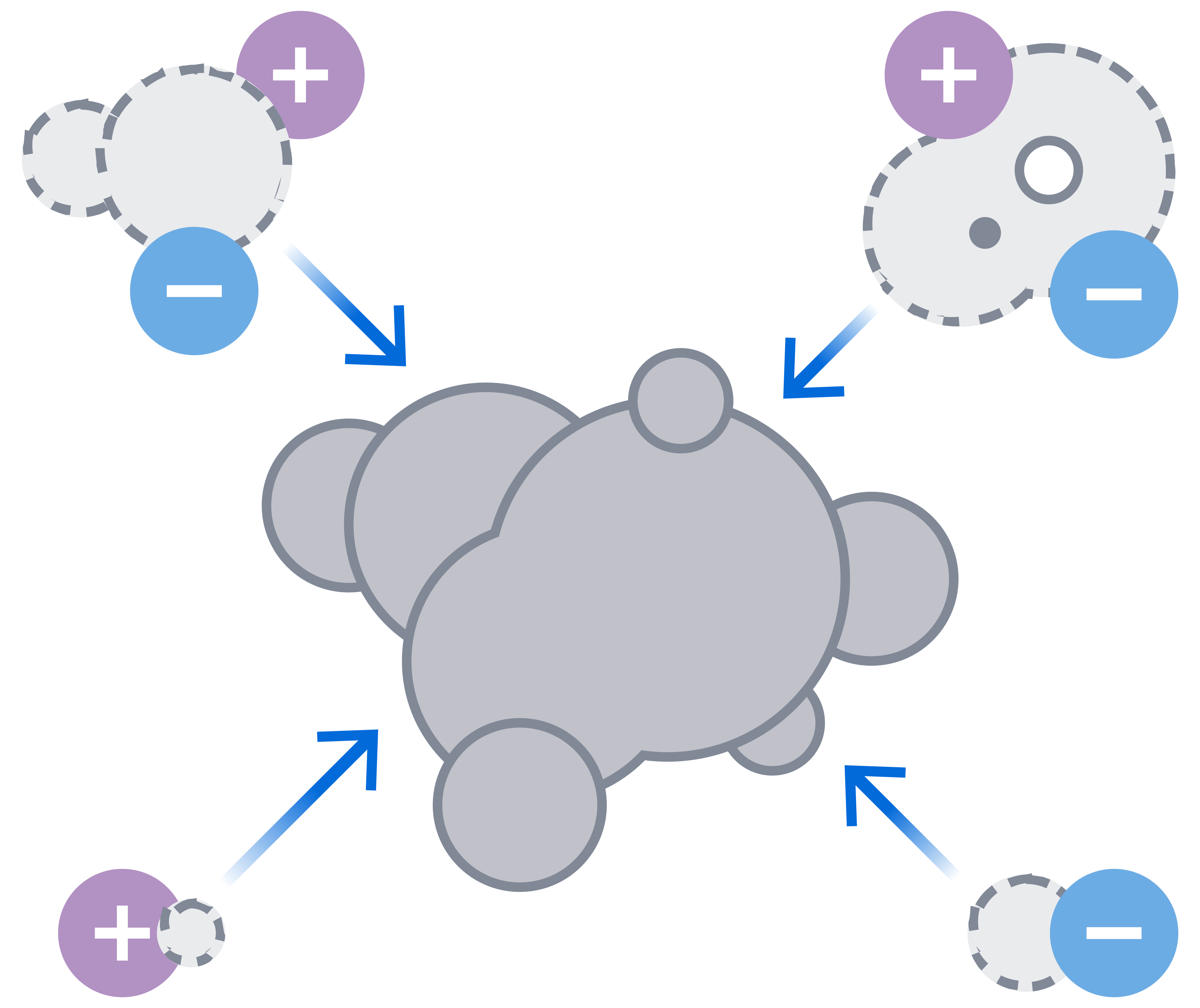
Step 1
Ions Cluster Airborne Particles. Ions group small particles into larger clusters.Ions Cluster Airborne Particles. Ions group small particles into larger clusters.
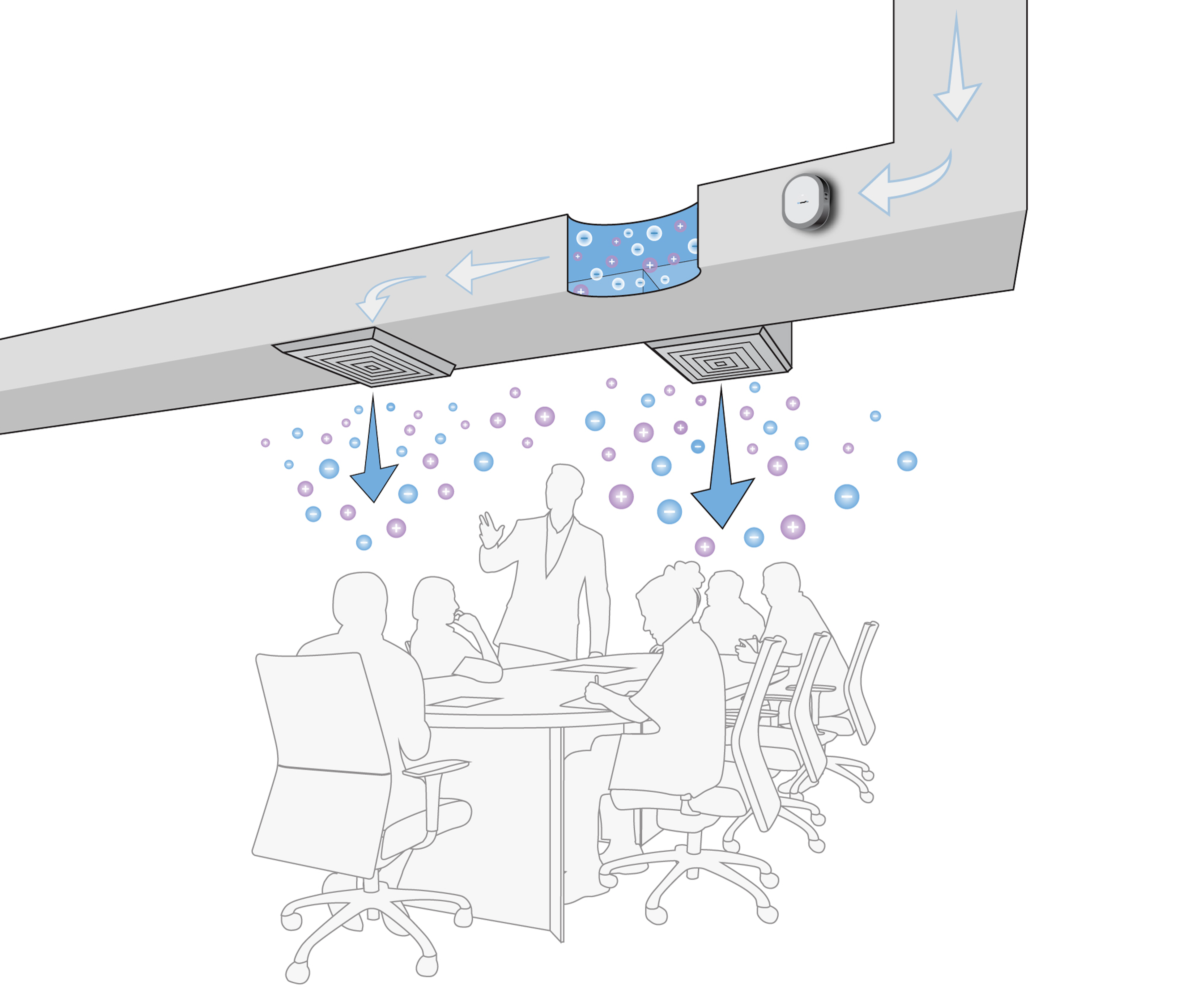
Let's review how soft ionization works to clean the air of pollutants.
Ions Cluster Airborne Particles. Ions group small particles into larger clusters.Ions Cluster Airborne Particles. Ions group small particles into larger clusters.
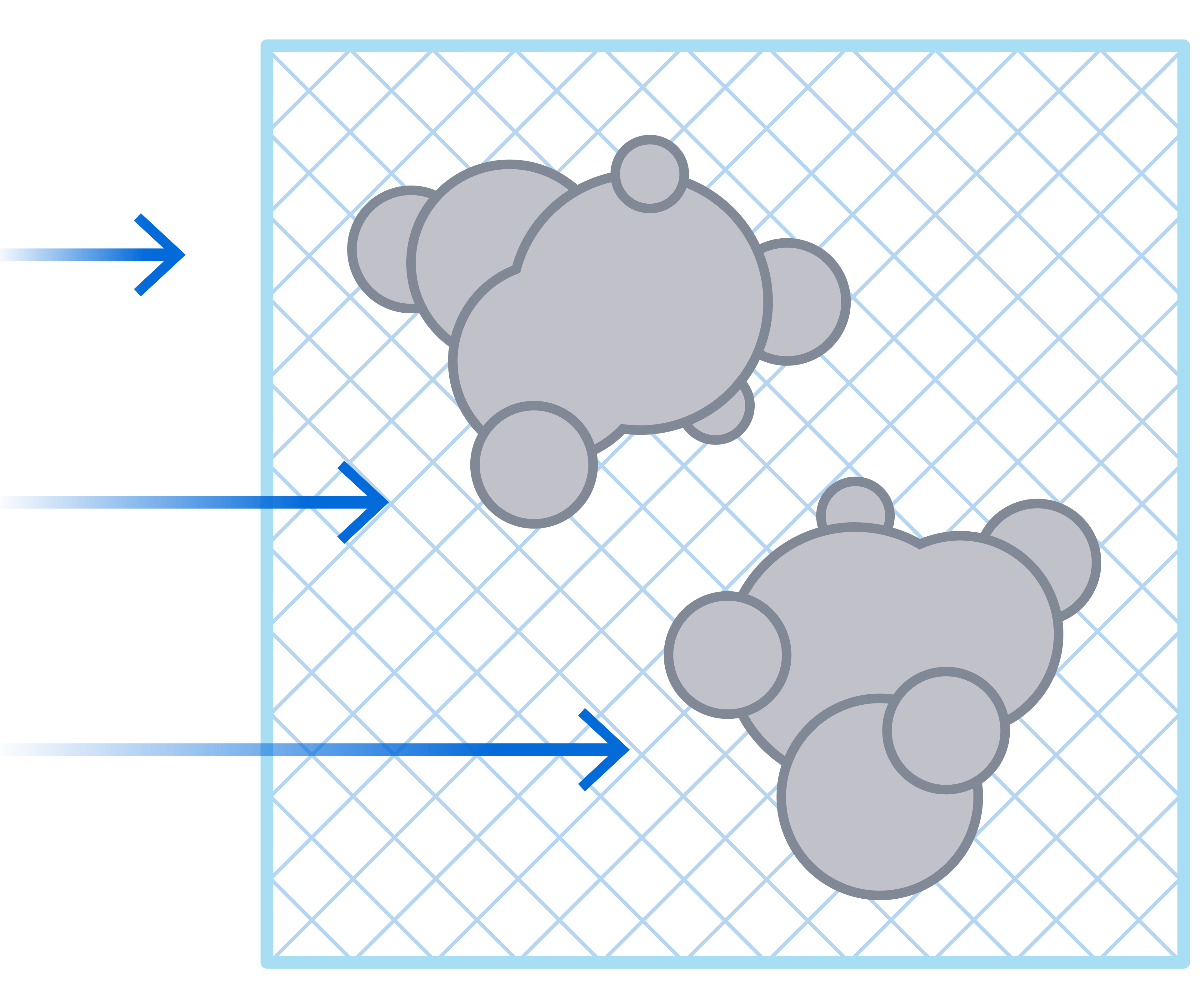
Larger Clusters Improve Filtration. Improved filtration efficiency without upgrades.Larger Clusters Improve Filtration. Improved filtration efficiency without upgrades.
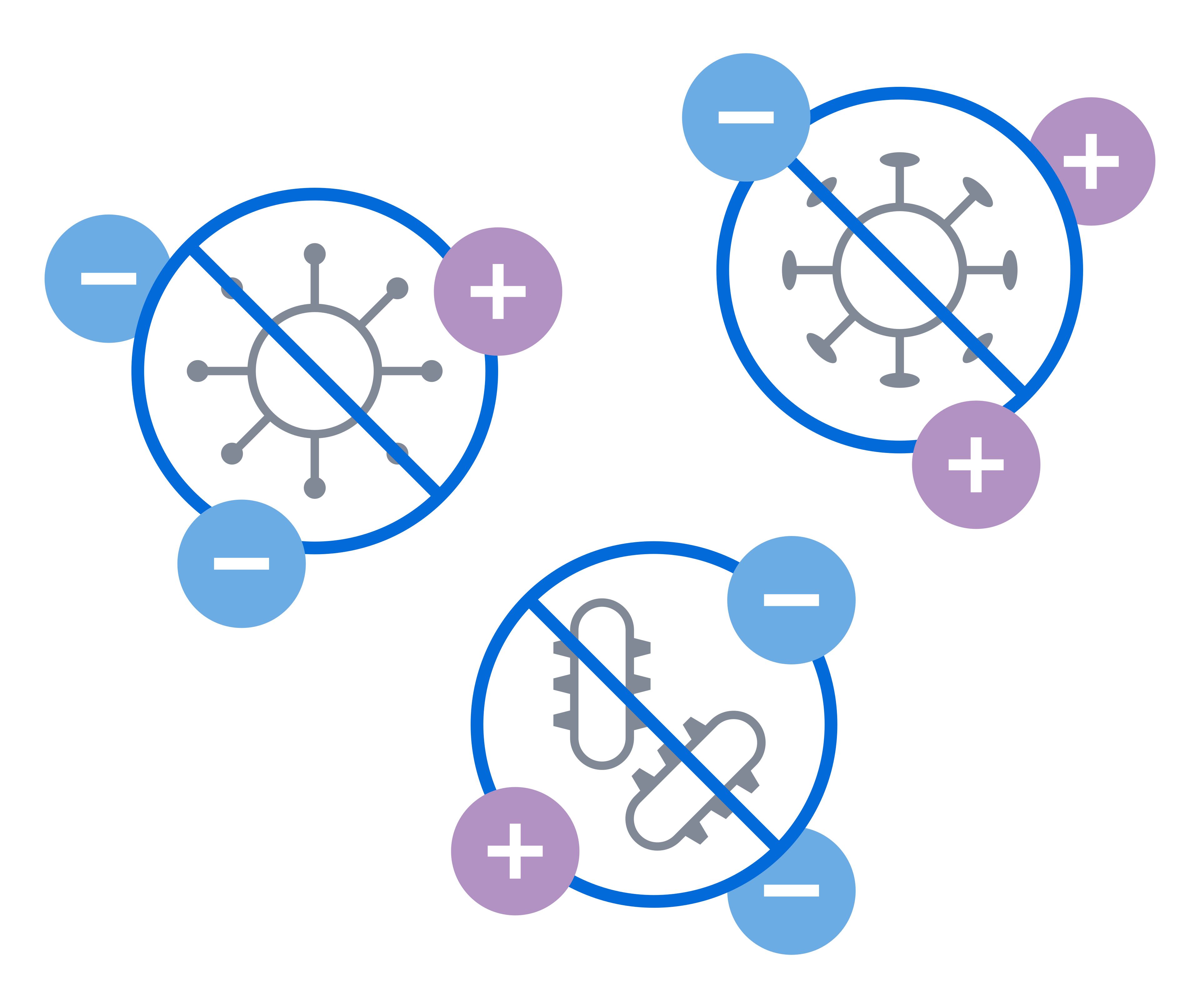
Pathogens Are Inactivated. Viruses and Bacteria are disrupted at the molecular level.Pathogens Are Inactivated. Viruses and Bacteria are disrupted at the molecular level.
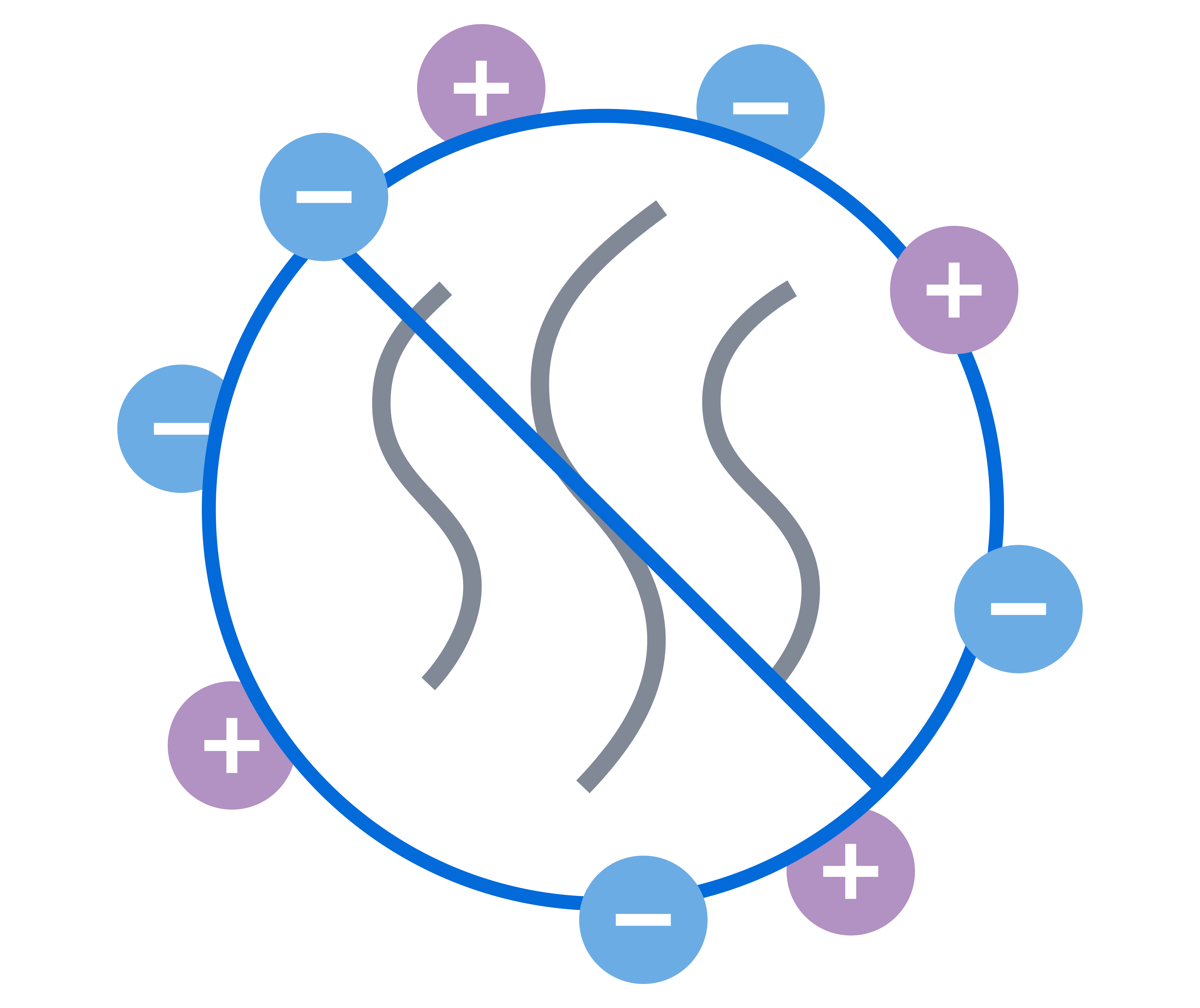
Odors Are Neutralized. Odor molecules are broken apart.Odors Are Neutralized. Odor molecules are broken apart.
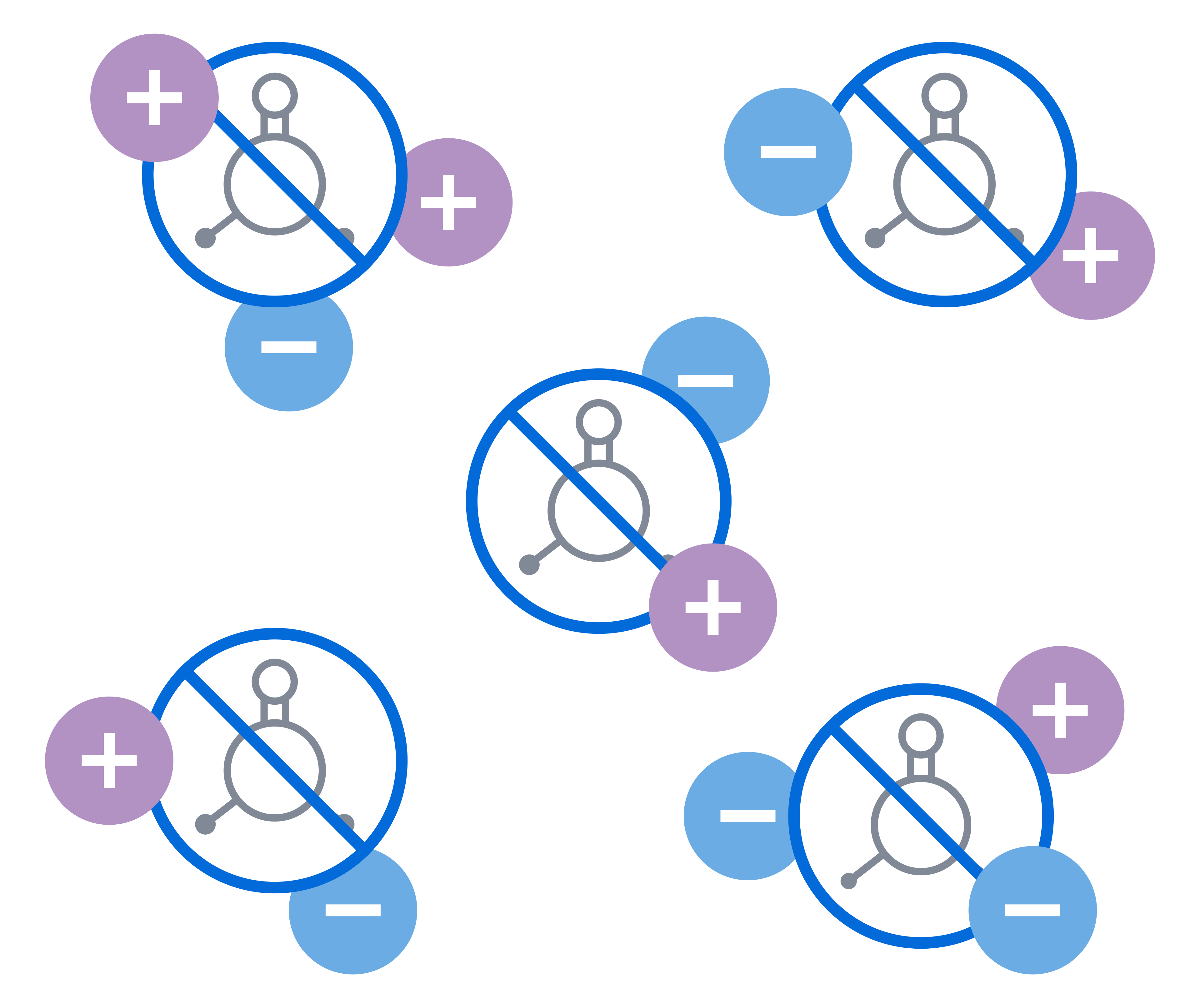
VOCs Are Broken Down. Hazardous chemical compounds are reduced.VOCs Are Broken Down. Hazardous chemical compounds are reduced.
Ions Cluster Airborne Particles. Ions group small particles into larger clusters.Ions Cluster Airborne Particles. Ions group small particles into larger clusters.
Larger Clusters Improve Filtration. Improved filtration efficiency without upgrades.Larger Clusters Improve Filtration. Improved filtration efficiency without upgrades.
Pathogens Are Inactivated. Viruses and Bacteria are disrupted at the molecular level.Pathogens Are Inactivated. Viruses and Bacteria are disrupted at the molecular level.
Odors Are Neutralized. Odor molecules are broken apart.Odors Are Neutralized. Odor molecules are broken apart.
VOCs Are Broken Down. Hazardous chemical compounds are reduced.VOCs Are Broken Down. Hazardous chemical compounds are reduced.
Watch our videos to learn more. The technology has been independently tested and proven effective at inactivating the smallest of airborne viruses, bacteria, mold spores, and pollen.
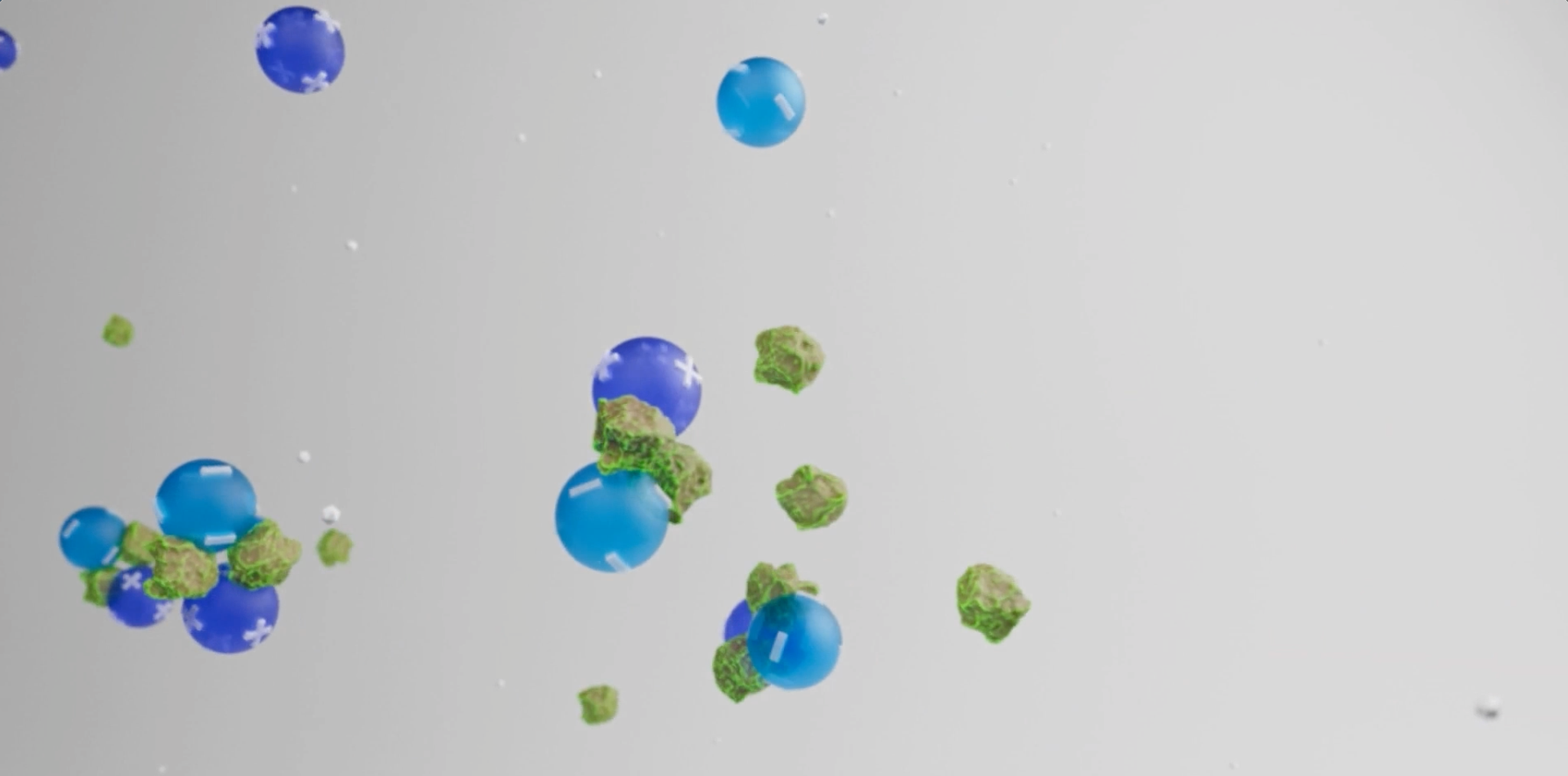
A short explainer that answers the most common IAQ questions in under a minute.
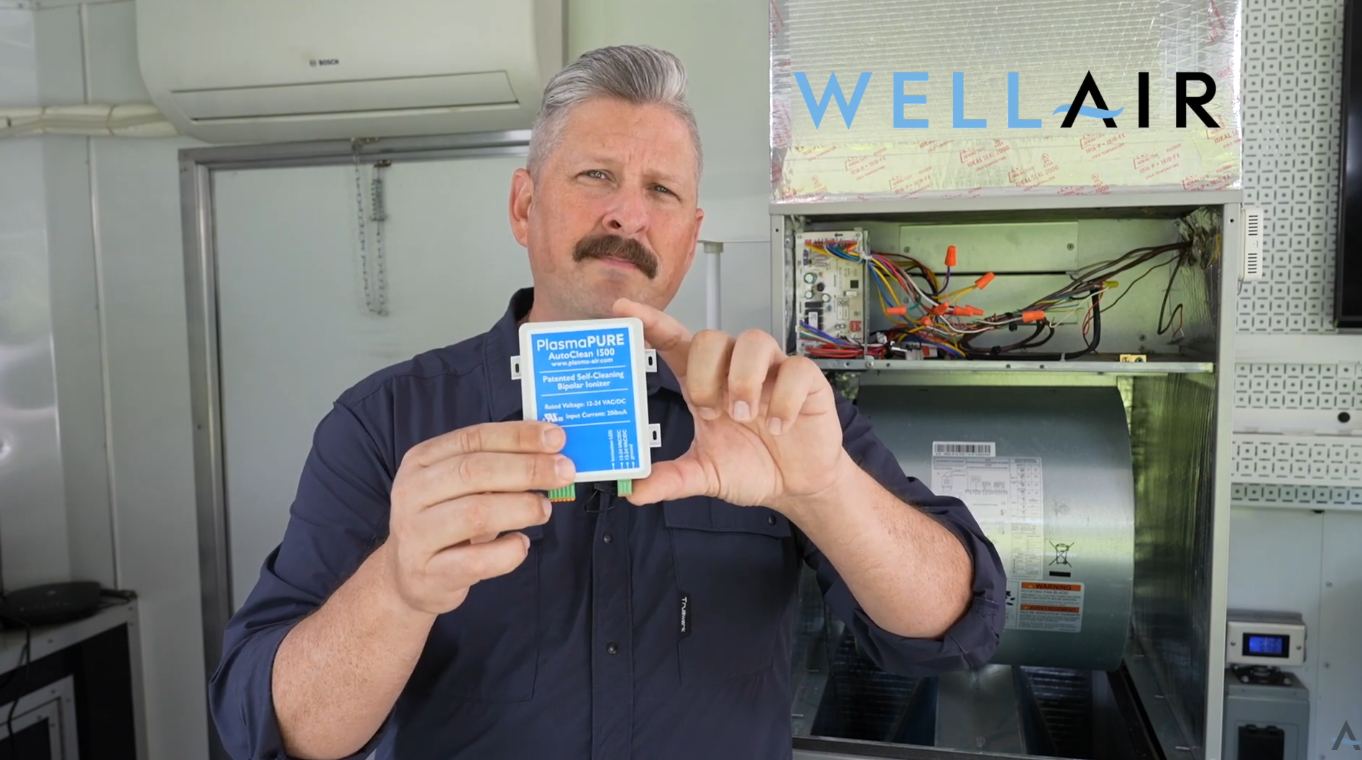
Video playlist of installations in hotel systems, ductless mini splits plus install testimonials.
Proven Reduction of Key Air Pollutants

Ions disrupt harmful microorganisms to reduce viability.Ions disrupt harmful microorganisms to reduce viability.

Breaks down chemical pollutants and harmful gases.Breaks down chemical pollutants and harmful gases.

Reduces airborne spores that trigger allergies and asthma.Reduces airborne spores that trigger allergies and asthma.

Clusters tiny particles (PM2.5) so filters can capture them.Clusters tiny particles (PM2.5) so filters can capture them.

Neutralizes organic odors and chemical smells.Neutralizes organic odors and chemical smells.

Feature |
Plasma Air Ionization |
Other Ionization |
PCO/UV |
Ozone |
Can produce ozone
|
Can produce byproducts
|
|
Maintenance |
Needs cleaning
|
Bulb replacements
|
|
Install |
Moderate
|
Complex
|
|
Pathogens |
Medium
|
Medium
|
|
VOCs |
Low
|
Low
|
Trusted in HVAC Systems for Schools, Healthcare, Hospitality, and More

Support community wellbeing through cleaner indoor air and healthier gathering spaces.

Help create cleaner learning environments that support student wellness, attendance, and performance.
 Reduce airborne contaminants in classroomsSupport healthier students and staffImprove attendance and learning readinessEnable district-wide IAQ strategies
Create healthier, more efficient buildings that attract tenants and support long-term asset value.
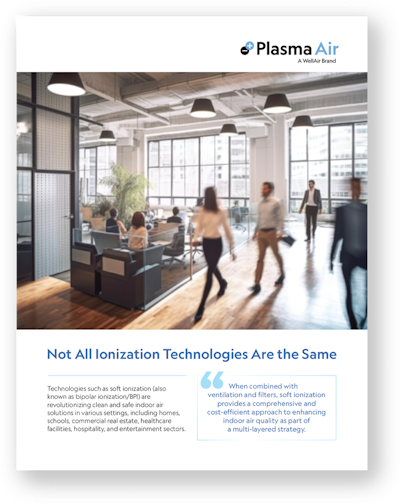 Types of Ionization
Tech brief that explains that not all ionization technologies are the same. Technologies such as soft ionization (bipolar ionization) are revolutionizing clean and safe indoor air solutions in various indoor environments.
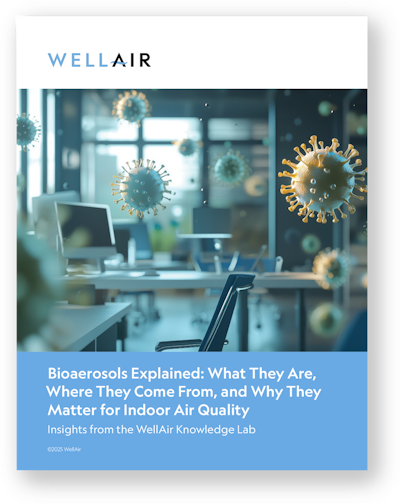 Bioaerosols Explained
In this article, learn more about what bioaerosols are, where they come from and why they matter for indoor air quality.
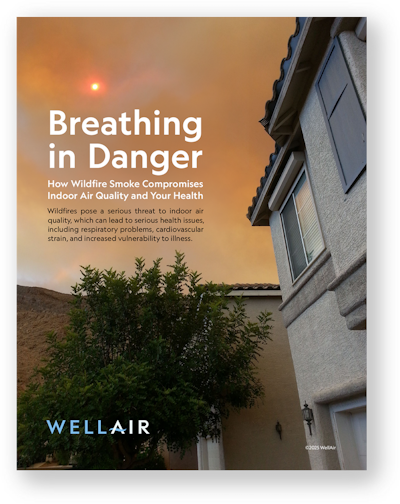 Wildfire Smoke and Your Health
Read our article that explains how wildfire smoke harms humans and indoor air. Wildfire smoke contains fine particles (PM2.5), toxic gases, and cancer-causing chemicals.
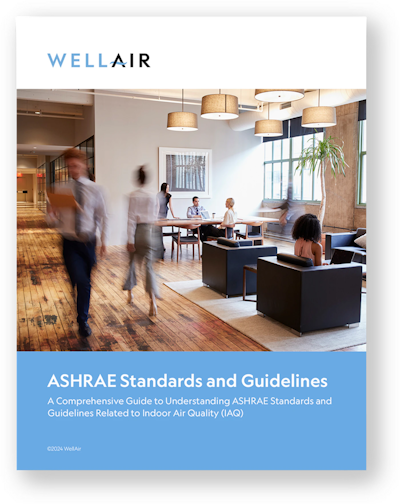 ASHRAE Standards 101
Our white paper, "A Comprehensive Guide to ASHRAE Standards and Guidelines Related to Indoor Air Quality," offers an invaluable overview of the key ASHRAE standards, guidelines, and performance testing protocols.
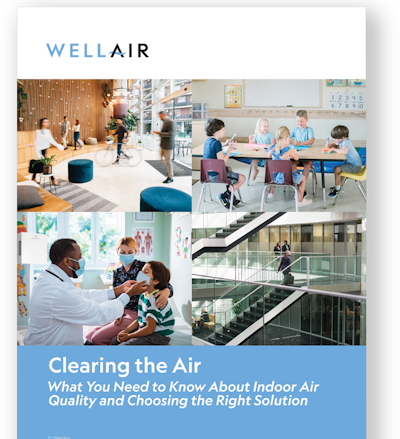 White Paper: The Right IAQ Solution
White paper detailing what you need to know about indoor air quality and choosing the right solution.
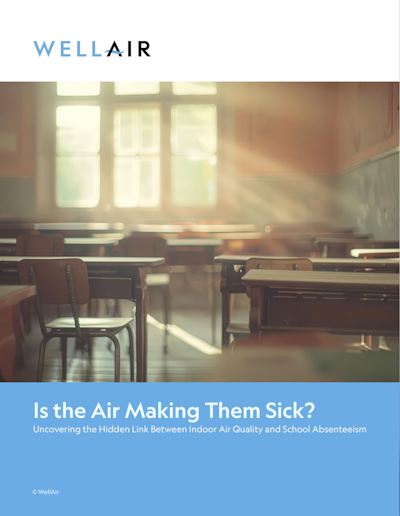 IAQ and Absenteeism
This research-packed e-book is a must-read for principals, educators, and facilities teams committed to student and staff well-being. Discover the connection between IAQ and school absenteeism, and what you can do about it.
Discover how Plasma Air’s HVAC-integrated solutions continuously clean your air, reduce pathogens, and create healthier spaces.