Optimize Capital Investment
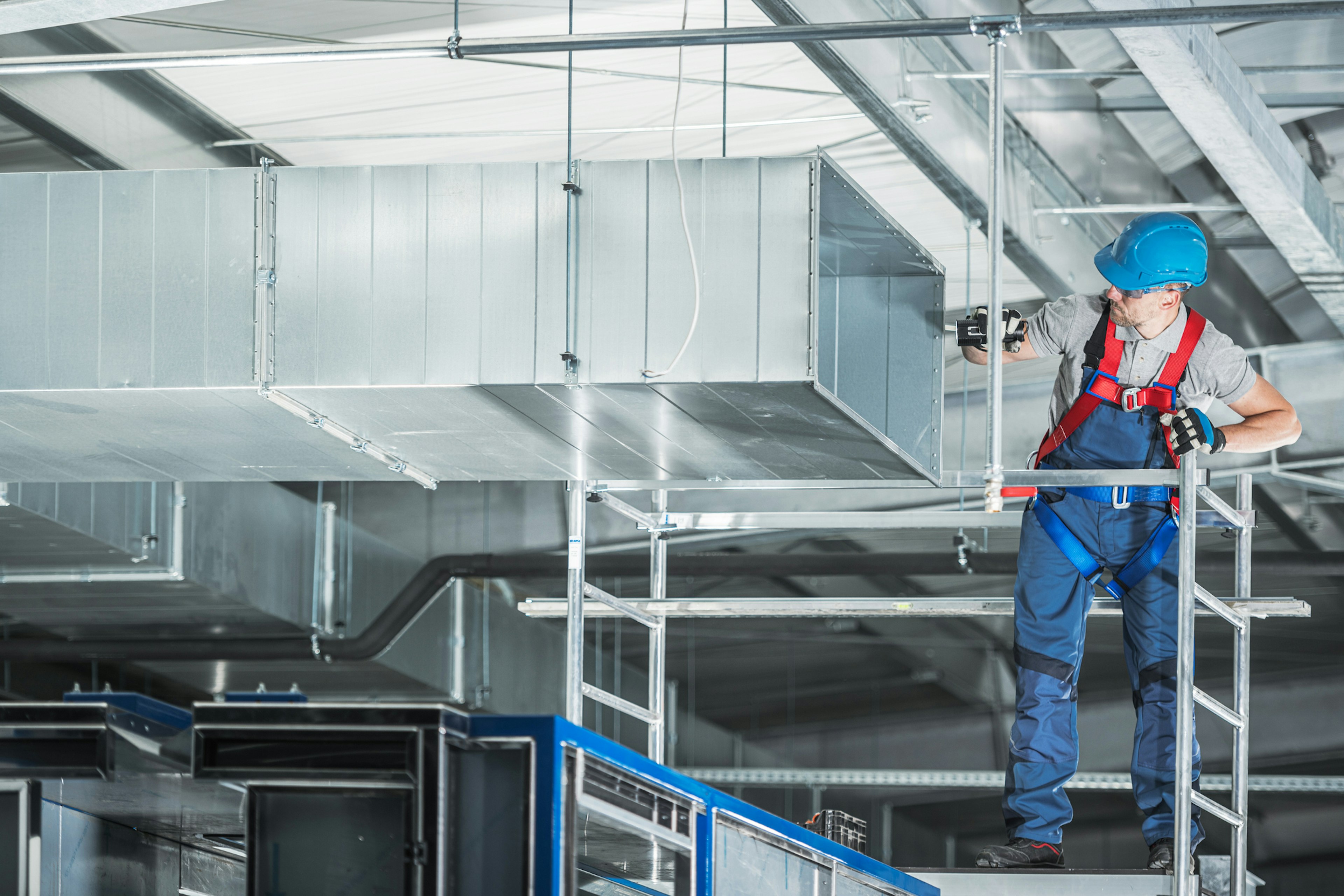
Lowering outdoor-air loads allows engineers to right-size HVAC equipment, ductwork, and energy-recovery systems. This helps control upfront equipment costs and preserves valuable building space.

Clean indoor air is more than a design requirement—it is a core business asset. WellAir helps engineers apply performance-based indoor air quality strategies to optimize ventilation and HVAC design.
By combining advanced air purification with smart modeling, our solutions reduce energy demand, improve indoor environments, and deliver measurable long-term value.
Traditional ventilation relies on high volumes of outdoor air to manage indoor contaminants. Conditioning that outside air increases mechanical loads, equipment costs, and energy use—without guaranteeing clean air.
The ASHRAE Standard 62.1 Solution:
The Indoor Air Quality Procedure (IAQP) offers a performance-based design pathway. Engineers evaluate indoor and outdoor contaminants to combine smart ventilation with validated air purification.
Key Owner Benefits:

Lowering outdoor-air loads allows engineers to right-size HVAC equipment, ductwork, and energy-recovery systems. This helps control upfront equipment costs and preserves valuable building space.

Conditioning outside air demands significant energy. An IAQP strategy reduces heating, cooling, and dehumidification loads while maintaining target indoor air quality.

IAQP opens up new pathways for space-constrained retrofits, high-occupancy spaces, and VRF systems—especially where conventional ventilation is impractical or cost-prohibitive.

WellAir combines air purification, sensing, monitoring, and engineering support. We help teams move beyond initial design intent to maintain real-time visibility into building performance.
Ventilation Rate Procedure (VRP)
Indoor Air Quality Procedure (IAQP)
The IAQP does not replace ventilation—it allows engineers to pair air cleaning with reduced outdoor air for a more efficient design.
WellAir supports a connected approach to IAQ engineering:
A smarter approach to indoor air quality, designed to optimize building performance.
WellAir’s free, award-winning software simplifies IAQP modeling to accelerate ventilation design and guide client strategy.
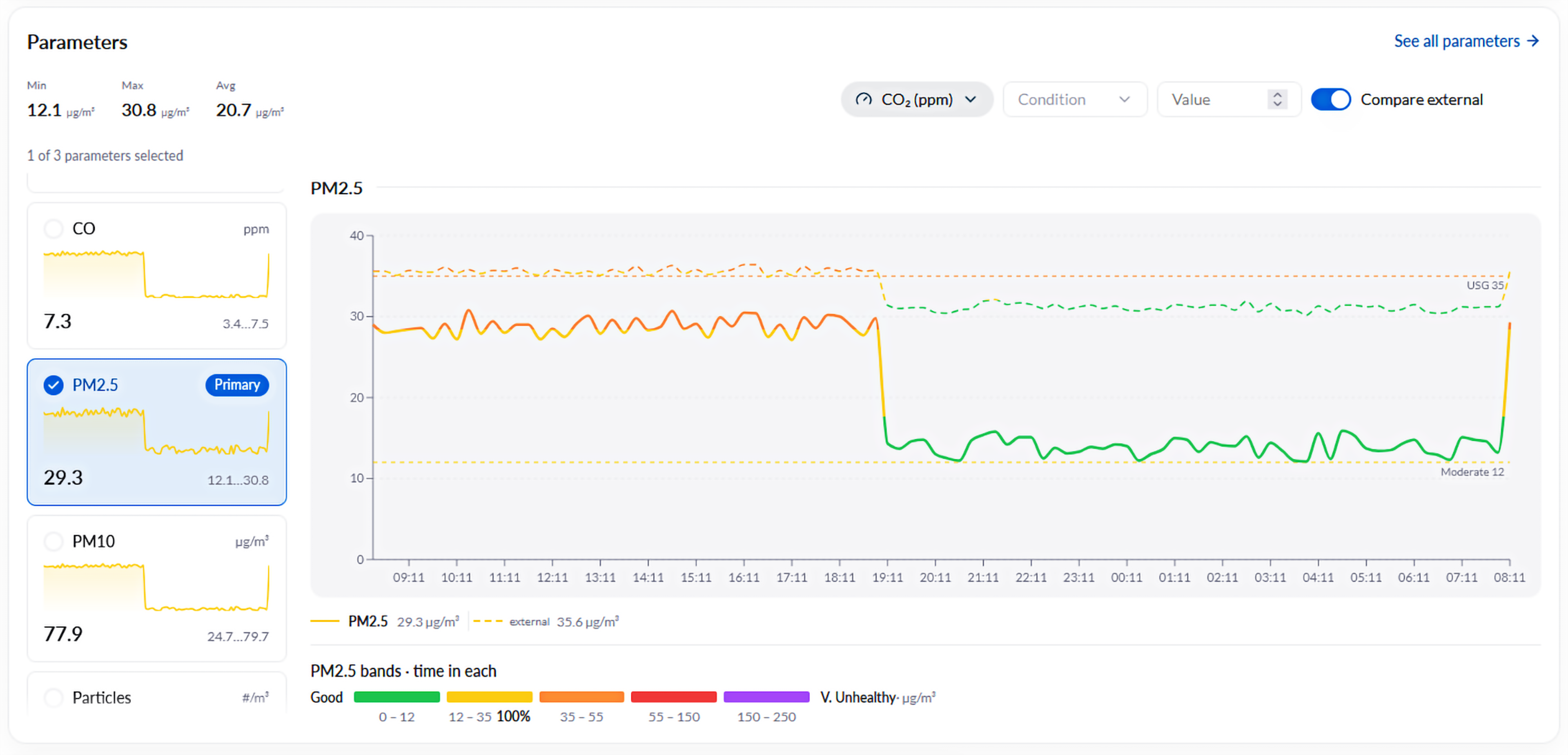
Gain real-time visibility into indoor air quality to track environmental metrics, verify performance, and optimize facility operations.
IAQP strategies deliver the highest value in high-occupancy spaces, constrained retrofits, and extreme climates:
Each project should be evaluated individually based on occupancy, contaminants, system configuration, climate, applicable codes, and owner priorities.
WellAir helps engineering teams align IAQ strategies with industry standards and healthy-building frameworks. Applicable Standards & Guidelines:
Our goal goes beyond basic compliance. We help engineers create indoor environments that perform better for owners, operators, and occupants over the entire building lifecycle.

As engineers navigating the complexities of indoor air quality (IAQ) compliance, you need a resource that consolidates everything in one place.
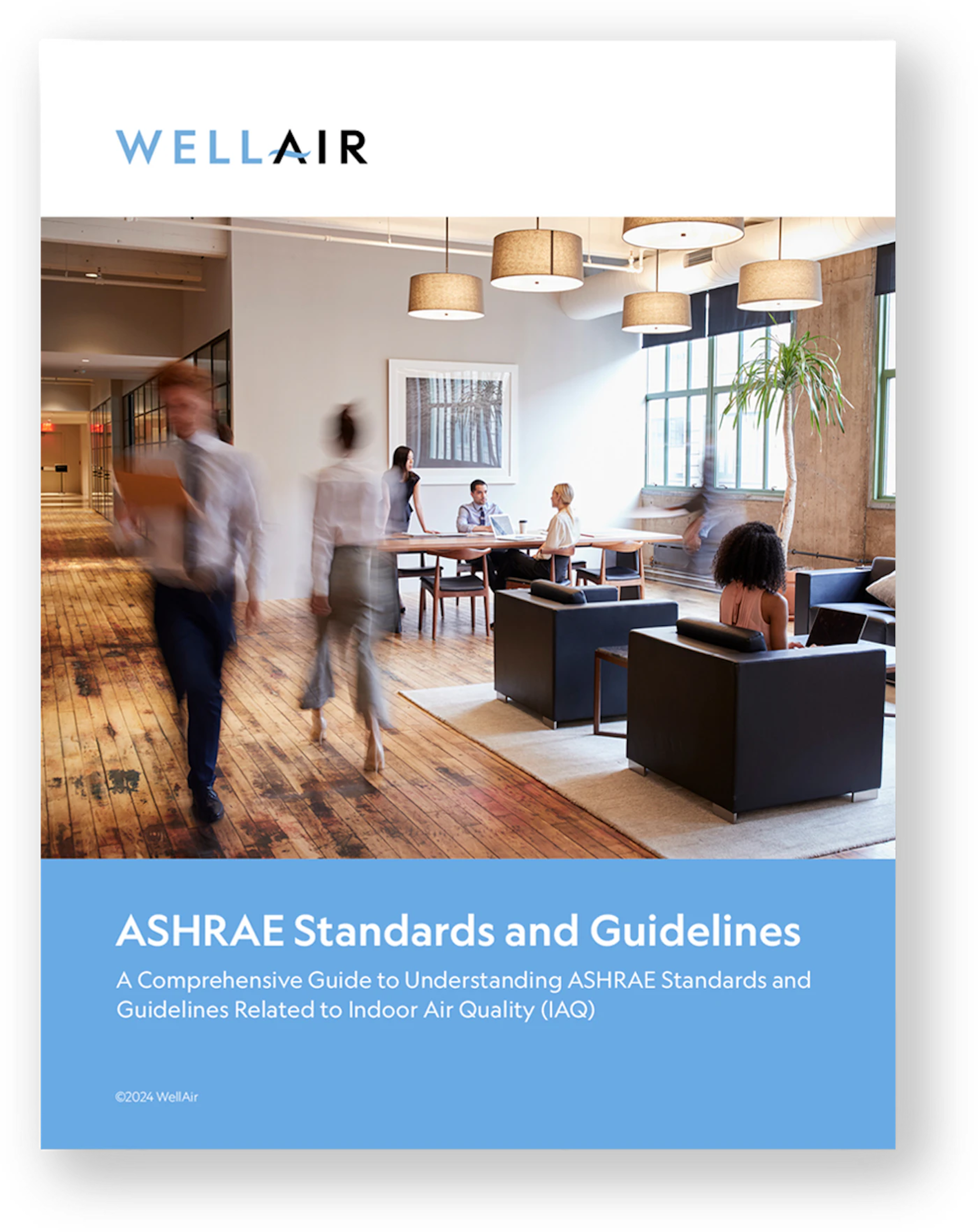
Our white paper, “A Comprehensive Guide to ASHRAE Standards and Guidelines Related to Indoor Air Quality,” offers an invaluable overview of the key ASHRAE standards, guidelines, and performance testing protocols.
 Simplifying IAQP Design with Atlas Design & Engineering
Atlas Design & Engineering used PlasmaSoft and Plasma Air technology to simplify IAQP calculations. This smart ventilation approach reduced client capital and operating expenses while boosting energy efficiency.
 Solving Outdoor-Air Constraints in a Healthcare Retrofit
Virtua Center for Weight Loss faced strict outdoor-air requirements in a space unable to fit large ductwork. Engineers integrated VRF, Plasma Air, and PlasmaSoft to meet IAQ codes efficiently.
WellAir partners with consulting engineers, mechanical designers, contractors, and building owners across the entire project lifecycle.
How We Support Your Team:
Final system design, code compliance, and approval remain the responsibility of the project engineer and local authority having jurisdiction (AHJ).

High-performing spaces balance occupant health, energy efficiency, and bottom-line results. Partner with WellAir to turn clean air into a measurable business asset.