How Wildfire Smoke Harms Indoor Air Quality & Human Health
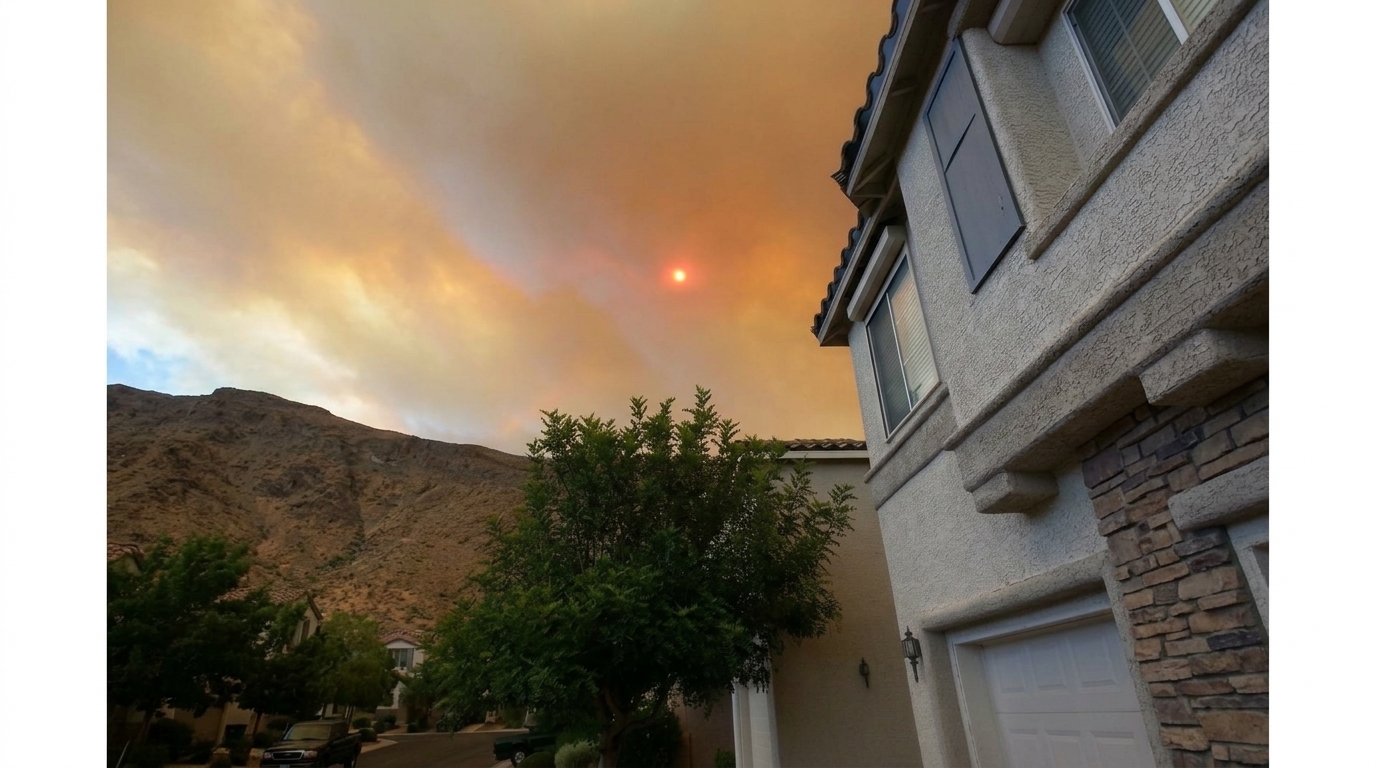
Wildfires are no longer a seasonal concern—they represent a year-round threat to public health and safety. While direct flames and property damage are the most immediate dangers, smoke seeping into indoor spaces poses a serious, hidden health risk.
Read our comprehensive article, Breathing in Danger: How Wildfire Smoke Compromises Indoor Air Quality and Your Health, to explore how airborne smoke contaminants impact human health and building environments.
The Hidden Dangers of Indoor Wildfire Smoke
Wildfire smoke carries harmful fine particulate matter (PM2.5), toxic gases, and chemical pollutants. These airborne hazards are particularly dangerous for children, seniors, and individuals with preexisting respiratory or cardiovascular conditions.
Smoke pollutants penetrate buildings through structural gaps, entryways, low-efficiency HVAC systems, and even on clothing. Short-term exposure can trigger headaches, severe asthma attacks, and cardiovascular stress. Prolonged exposure leads to serious long-term consequences, including chronic respiratory disease, cognitive decline, and weakened immune function.

Even miles away from active flames, fine smoke particles and gases persist inside homes, schools, and offices for days or weeks. Proactive indoor air quality management is essential during wildfire events.
Protecting Commercial and Residential Buildings
To defend indoor environments against airborne smoke hazards, WellAir delivers two targeted air purification technologies:
- Novaerus Defend 1050: Combines medical-grade HEPA filtration, a high-capacity activated carbon filter, and patented NanoStrike™ technology to rapidly capture fine particles and inactivate airborne pathogens.
- Plasma Air Soft Ionization: Seamlessly integrates into existing HVAC systems to neutralize smoke particles, break down VOCs, and deliver continuous 24/7 air purification across entire facilities.
These scalable solutions offer quiet operation, low maintenance costs, and energy-efficient protection for facility managers, school administrators, healthcare directors, and homeowners.